Old AC units take up roof space, block storage areas, and often sit unused for months. Proper scrap AC disposal in Saudi Arabia solves this problem while putting real money back into your business. This guide explains exactly how commercial AC disposal works, from inspection to final recycling.
At Saudi Scrap Metal, we help hotels, malls, hospitals, schools, and factories across the Eastern Province remove old AC units safely. Because commercial systems contain copper, aluminum, and other valuable metals, proper disposal is both practical and profitable.
We serve Dammam, Al Jubail, Dammam 2nd Industrial City, Al Khobar, Al Ahsa, Qatif, Al Hufuf, and Abqaiq. Everything in this guide reflects how we actually handle commercial AC scrap removal in these areas.
What Is Commercial AC Scrap?
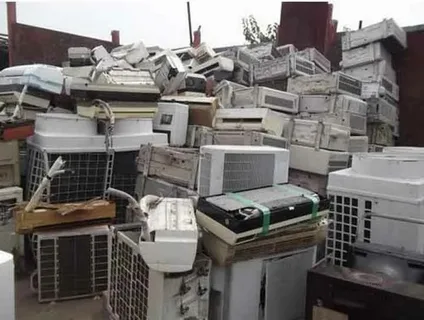
Commercial AC scrap includes any old, broken, or replaced air conditioning equipment from a business, building, or facility. This covers rooftop units, chillers, split systems, and packaged AC units.
Unlike small home units, commercial AC scrap often includes larger compressors, bigger copper coils, and heavier aluminum parts. As a result, these units usually hold more recycling value per unit than residential systems.
This category also includes industrial AC disposal from factories and warehouses, where cooling systems support production equipment rather than just office comfort.
Example: A hotel in Al Khobar replaced its rooftop AC units during a renovation. Because the old units had heavy copper coils, they returned a solid payout once weighed and recycled.
Why Proper AC Disposal Is Important
Old AC units are not simple trash. Because they contain refrigerant gas, copper, and aluminum, they need careful handling from removal through recycling.
Improper disposal can release refrigerant into the air, which harms the environment and may violate local regulations. Therefore, safe handling matters just as much as getting a fair price.
Proper commercial AC scrap disposal also frees up rooftop space, storage rooms, and mechanical areas. This matters for busy facilities like malls, hospitals, and schools, where space is always limited.
Finally, choosing a professional AC recycling Saudi Arabia partner protects your building from safety risks tied to old, damaged, or leaking units.

How Is the Value of a Commercial AC Unit Determined?
Not every AC unit is worth the same amount. Several factors affect the final price you receive.
Copper content matters most. Commercial units often contain thick copper coils and wiring, and copper coil recycling generally brings in the highest value per kilogram.
Aluminum content also plays a role. Aluminum AC scrap comes from fins, casing, and structural parts, and it adds meaningful weight to the overall payout.
Compressor condition affects value too. A working compressor can add value, while a broken compressor is still recyclable for its metal content.
Unit size and weight naturally increase total scrap value, since larger commercial units and chillers weigh far more than small residential systems.
Working vs non-working units are priced differently. A functioning unit may have resale value beyond scrap, while a non-working unit is priced purely on metal content.
Age and overall condition influence the final grade. Heavily rusted or damaged units may have lower copper and aluminum yield after dismantling.
Commercial AC Value Comparison Table
| Factor | Higher Value | Lower Value |
|---|---|---|
| Copper content | Thick copper coils | Thin or corroded copper |
| Aluminum content | Clean aluminum fins/casing | Damaged or mixed aluminum |
| Compressor | Working compressor | Broken compressor |
| Unit size | Large chillers, rooftop units | Small split units |
| Condition | Lightly used, minimal rust | Heavily rusted, damaged |
Scrap AC Disposal Saudi Arabia: Step-by-Step Removal Process
Removing a commercial AC system safely takes more than just unplugging a unit. Here is exactly how the process works.
Step-by-Step Disposal Guide
- Site inspection. Our team visits your building to check the unit type, size, and location, whether it is a rooftop AC unit or an indoor chiller.
- Price quotation. After inspection, we explain the estimated value based on copper, aluminum, and unit condition.
- Refrigerant recovery. Before any dismantling begins, refrigerant gas is safely recovered using proper recovery equipment.
- Safe dismantling. Our team carefully separates the compressor, copper coils, and aluminum parts.
- Loading and transportation. Heavy components, especially from rooftop AC unit removal, are loaded and transported using proper equipment.
- Recycling process. Copper, aluminum, and other metals are sorted and sent for recycling, supporting broader commercial equipment recycling efforts.
Example: A shopping mall in Dammam 2nd Industrial City needed several rooftop units removed during a system upgrade. Our team completed refrigerant recovery and dismantling on-site, then handled full pickup the same day.
Expert Tips
- Schedule AC removal during off-peak hours to reduce disruption for hotels, malls, and offices.
- Ask for a clear breakdown of copper, aluminum, and compressor value before agreeing to a price.
- For factory HVAC removal, group multiple units together for a more efficient single pickup.
- Always confirm that refrigerant recovery happens before any cutting or dismantling starts.
Refrigerant Handling: Why It Matters
Refrigerant gas is one of the most important parts of safe AC disposal. Handling it correctly protects both people and the environment.
Environmental responsibility starts with proper refrigerant recovery. Because refrigerant can harm the atmosphere if released improperly, recovery equipment captures it safely for reuse or disposal.
Safe gas recovery also protects workers. Untrained handling of refrigerant lines can cause injury, especially with older or pressurized systems.
Legal and industry best practices require refrigerant recovery before dismantling. Skipping this step is not just risky, it can also create compliance issues for commercial buildings.
Why refrigerant should never be released into the air: Releasing refrigerant directly harms air quality and violates responsible cooling system disposal practices. A professional AC dismantling team always recovers refrigerant first, before touching copper or aluminum components.

Common Mistakes During Commercial AC Disposal
Many businesses lose money or create safety issues by making avoidable mistakes.
Skipping refrigerant recovery. Attempting to dismantle a unit without removing refrigerant first is unsafe and can violate environmental rules.
Selling units without inspection. Without a proper site visit, it is easy to accept a lower price than the unit’s actual copper and aluminum content deserves.
Mixing metals during removal. Combining copper, aluminum, and steel parts without sorting lowers the overall scrap value.
Ignoring rooftop access challenges. Rooftop AC unit removal needs proper equipment and planning; skipping this step can delay the entire project.
Choosing unlicensed handlers. Working with inexperienced teams increases the risk of refrigerant leaks, injuries, and unfair pricing.
Commercial Building Checklist Before AC Disposal
- [ ] Unit type and location identified (rooftop, chiller, split system)
- [ ] Site inspection scheduled with a professional buyer
- [ ] Refrigerant recovery confirmed as part of the process
- [ ] Copper and aluminum content explained clearly
- [ ] Pickup and transportation plan confirmed in advance
Benefits of Choosing a Professional Scrap AC Buyer
Working with an experienced air conditioner scrap buyer offers clear advantages over trying to handle disposal internally.
A professional team manages refrigerant recovery safely, protecting your building from environmental and legal risks. This matters especially for hospitals, schools, and hotels with strict safety expectations.
You also get fair pricing based on actual copper coil recycling and aluminum AC scrap value, rather than a guessed or lowball offer.
In addition, professional teams bring the right equipment for rooftop AC unit removal, chiller scrap handling, and large-scale industrial AC disposal, so your facility avoids unnecessary downtime.
Why Businesses in Dammam Trust Saudi Scrap Metal
Commercial buildings across Dammam, Jubail, and Khobar prefer working with an established scrap buyer Dammam facilities already know and trust.
At Saudi Scrap Metal, we combine safe refrigerant recovery with transparent pricing for copper, aluminum, and compressor scrap. Our team understands the needs of hotels, malls, hospitals, schools, and factories alike.
We also support ongoing industrial scrap collection for facilities that regularly replace or upgrade HVAC systems, making long-term partnerships simple and reliable.
Frequently Asked Questions
Pricing and Value
1. How is commercial AC scrap priced? Commercial AC scrap is priced based on copper and aluminum content, compressor condition, unit size, and overall condition. Larger units with thick copper coils typically bring higher value.
2. Do working AC units have higher value? Yes. A working AC unit or compressor can carry extra value beyond scrap metal pricing, since some buyers pay more for functional components.
3. Can you handle chiller scrap and large commercial units? Yes. Our team removes chiller scrap, rooftop units, and other large commercial systems, using proper equipment for safe dismantling and transport.
Refrigerant and Safety
4. What happens to the refrigerant in old AC units? Refrigerant gas is safely recovered using proper recovery equipment before any dismantling begins, protecting the environment and following industry safety practices.
5. Is refrigerant removed before dismantling? Yes. Refrigerant recovery always happens first. Cutting into a unit before removing refrigerant is unsafe and can release harmful gas into the air.
6. Is it safe to leave refrigerant handling to my own maintenance team? It is safer to use a trained team with proper recovery equipment, since incorrect handling can cause injury or violate environmental guidelines.
Service and Logistics
7. Can you remove rooftop AC units? Yes. Our team handles rooftop AC unit removal using the right lifting and transport equipment, which is common for hotels, malls, and office buildings.
8. Do you provide same-day pickup? Yes, same-day pickup is available in many areas, including Dammam and Al Khobar, depending on unit size and site access.
9. Do you collect factory HVAC systems? Yes. We provide factory HVAC removal and industrial AC disposal for manufacturing plants and warehouses across the Eastern Province.
10. How long does commercial AC removal take? Most commercial AC removal projects, including refrigerant recovery and dismantling, are completed within a single visit, depending on unit size and quantity.

Conclusion
Scrap AC disposal in Saudi Arabia is not just about clearing out old equipment. It protects your building, supports safe refrigerant handling, and turns unused units into real income through copper and aluminum recycling.
Whether you manage a hotel, mall, hospital, school, or factory, working with an experienced team ensures safe dismantling, fair pricing, and fast pickup every time.
Schedule Your Commercial AC Disposal Today
Saudi Scrap Metal offers free site inspection, safe AC dismantling, refrigerant recovery, fair market prices, and fast pickup for commercial and industrial AC removal.
We proudly serve Dammam, Al Jubail, Dammam 2nd Industrial City, Al Khobar, Al Ahsa, Qatif, Al Hufuf, and Abqaiq.
📞 Call us today at 0573057098 🌐 Visit https://saudiscrapmetal.com
Book your free inspection today and turn your old AC units into a safe, profitable removal project.