
The biggest sell scrap metal mistakes are simple to name: mixing different metals into one load, selling to the first buyer who shows up, skipping weight verification, working without any paperwork, and selling at the wrong point in the price cycle. Any one of these can quietly shave 20 to 40 percent off what a load is worth.
The fix is just as simple. Sort your scrap by metal type before the buyer arrives, ask for a written quote, watch the weighing yourself on a calibrated digital scale, get an invoice, and check current market prices before you accept an offer. Businesses that do these five things consistently earn more per kilogram and almost never end up in payment disputes.
We buy scrap every week from factories, HVAC contractors, and construction sites across Dammam, Khobar, Dhahran, and Jubail. The same mistakes show up over and over, and they are almost always avoidable. Here is what we see, and what we would do differently if we were on the selling side.
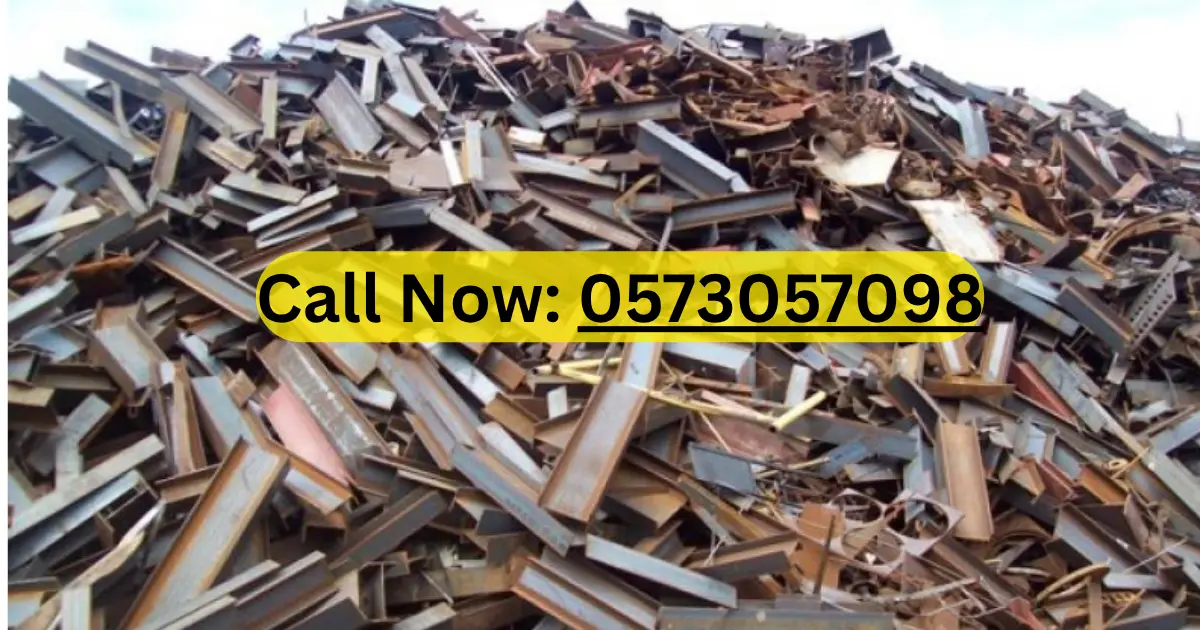
Mistake #1: Not Pre-Sorting Scrap Metal
A mixed load gets priced at the value of its cheapest metal. That is the rule almost every scrap metal buyer in Dammam works by, including us, because nobody can grade what they cannot see.
Picture a warehouse clearout with copper cable buried under steel shelving and a few old AC condensers thrown on top. If it arrives as one pile, it gets weighed as one pile, and the copper inside earns steel money. Copper trades at many times the price of steel, so that single shortcut can cost a business thousands of riyals on one truck.
Before you call a buyer, separate:
- Copper: cables, pipes, motor windings, busbars
- Aluminum: window frames, coils, sheets, radiators
- Steel and iron: structural scrap, shelving, machinery frames
- Brass: valves, fittings, taps
- Stainless steel: tanks, Aluminum Kitchen Cabinets, railings
Two more separations matter for AC and electrical businesses. Keep complete AC units apart from general scrap, because compressors and coils get graded on their own. And keep insulated cables in their own pile; the copper recovery rate inside them is priced differently from bare copper.
In our experience, a sorted load routinely pays 25 to 40 percent more than the same material mixed. A few hours of sorting labor beat that return every time.
Mistake #2: Choosing the Wrong Scrap Buyer
Not every buyer with a truck and a scale deserves your material. Some of the common scrap selling mistakes we hear about from new clients started with the buyer, not the scrap.
Watch for these warning signs:
- A price that sounds too good. Some buyers quote high on the phone, then invent “quality deductions” at pickup when your material is already loaded.
- No license. Unlicensed buyers create compliance problems for commercial sellers, and you have no recourse if payment goes wrong.
- Vague pricing. If a buyer cannot tell you the per-kilogram rate for each metal type before arrival, they are leaving room to decide it later, in their favor.
- No local track record. Ask around. The Eastern Province scrap trade is a small world, and reputations are easy to check.
A trusted scrap buyer does the opposite: rates in writing per metal type, weighing you can watch, deductions explained before loading, and payment on the agreed schedule. At Saudi Scrap Metal we put our rates in the quotation before the truck leaves our yard, because a surprise at the weighbridge helps nobody. If you want to compare us against your current buyer, call 0573057098 and ask for today’s rates.
Mistake #3: Ignoring Weighing Verification
Weight is where money changes hands, and it is the step most sellers pay the least attention to. A scale that reads 3 percent light on a 10-ton steel load takes 300 kilograms out of your pocket, and you will never know it happened.
Protect yourself with a short checklist:
- Ask what equipment will be used. Calibrated digital scales for smaller loads, a certified weighbridge for full trucks.
- Stand there and watch the weighing. A serious buyer will invite you to.
- Get a printed weight slip for every load, showing gross, tare, and net weight.
- Compare the slip against your own records. Factories usually know roughly what their machinery or cable drums weigh. If the numbers are far apart, stop and re-weigh.
Transparent scrap metal weighing protects both sides. It is why we weigh on digital equipment in front of the client and hand over the slip on the spot. When the number is verified together, there is nothing left to argue about later.

Mistake #4: Selling Without Documentation or Agreement
Handshake deals work fine until they do not. For commercial transactions especially, paperwork is what turns “he said, she said” into a closed file.
Before releasing any bulk scrap metal, a business should have:
- A written quotation with per-kilogram rates by metal type
- A material list describing what is being sold
- A collection schedule stating when pickup happens
- Payment terms in writing: amount, method, and timing
- An invoice after weighing, matching the weight slips
This is not bureaucracy for its own sake. Your accounting department needs the invoice, your auditors may ask where the disposal revenue went, and if a payment is ever delayed, the paper trail is your leverage. We issue full documentation on every commercial purchase for exactly this reason.
Mistake #5: Selling at the Wrong Time
Scrap prices move. Copper and aluminum follow global commodity markets, and steel demand shifts with regional construction activity. Selling on a weak week is one of the quieter scrap yard mistakes, because you never see the money you missed.
A few timing habits that pay off:
- Check prices before accepting any offer. Even a phone call to two buyers gives you a reference point.
- Sell in bulk when you can. A full truck earns better per-kilogram rates than three small pickups, and one collection costs less in logistics.
- Plan around your own calendar. Project completions, factory shutdowns, and renovation phases generate large volumes at once. Line up a buyer before the material starts piling up in the yard.
- AC replacement season is your friend. HVAC companies across Saudi Arabia accumulate old units fastest in the months before and during summer. Selling that volume together, while copper demand is active, usually beats drip-feeding units out one at a time.
You do not need to trade scrap like a commodities desk. You just need to avoid selling blind.
Bonus Tips for AC Selling and HVAC Companies
AC scrap deserves its own section because it is some of the most valuable material we buy, and also the most commonly undersold. If you sell AC scrap by the unit without breaking anything down, you are leaving margin on the table.
What actually holds the value in an old air conditioner:
- Compressors: heavy, dense, and priced separately. Never let them disappear into a mixed pile.
- Copper coils: the evaporator and condenser coils are the richest part of the unit.
- Aluminum coils and fins: lower than copper, still well above steel.
- Condensers and outdoor units: graded on their copper and aluminum content.
- Indoor units: lighter, but the coils inside still count.
Two practical notes from years of HVAC scrap recycling. First, refrigerant must be recovered by a qualified technician before scrapping; a reputable buyer will ask about it. Second, if you replace units in volume, arrange bulk pickup so everything gets weighed and graded in one transparent session.

Why Businesses in Dammam Choose Saudi Scrap Metal
We built our buying process around the mistakes in this article, because we watched sellers get burned by them for years. When you sell to Saudi Scrap Metal, the process looks like this:
- Free inspection of your material before any commitment
- Written quotation with per-metal rates
- Fast pickup across Dammam, Khobar, Dhahran, Jubail, Qatif, and the wider Eastern Province
- Accurate digital weighing done in front of you, with weight slips
- Same-day payment once weights are confirmed
- Licensed team experienced in industrial scrap buying and commercial scrap collection
We buy from factories, warehouses, construction firms, electrical contractors, property managers, and AC companies of every size. Whether it is a single truckload or an ongoing commercial scrap recycling contract, the process stays the same: inspect, quote, weigh, pay.
Quick Reference: Sell Scrap Metal Mistakes at a Glance
| Mistake | Financial Impact | Best Practice |
|---|---|---|
| Mixed, unsorted loads | Copper and brass get paid at steel rates | Sort by metal type; separate AC units and cables |
| Wrong buyer | Hidden deductions and delayed or missing payment | Use a licensed buyer with written per-metal rates |
| Unverified weighing | A few percent lost on every load, invisibly | Watch the weighing; keep the weight slips |
| No documentation | Disputes with no evidence; accounting gaps | Quotation, material list, and invoice on every sale |
| Poor timing | Selling large volumes in a weak market | Check current prices; sell in bulk when demand is up |
Get a Free Scrap Assessment in Dammam
If your business has scrap sitting in a yard, warehouse, or job site anywhere in the Eastern Province, find out what it is actually worth before you sell it. Call Saudi Scrap Metal on 0573057098 or visit saudiscrapmetal.com for a free inspection, transparent weighing, competitive per-metal pricing, and same-day payment. One phone call is usually enough to schedule pickup.

Frequently Asked Questions
What is the biggest mistake when selling scrap metal?
Selling mixed, unsorted loads. Buyers price mixed material at the lowest metal’s rate, so copper, brass, and aluminum buried in a steel pile earn steel money. Sorting before sale is the single highest-return step a seller can take.
Should I separate different metals before selling?
Yes. Separate copper, aluminum, steel, brass, and stainless steel into their own piles, and keep AC units and insulated cables apart from general scrap. Sorted loads are graded per metal and typically pay 25 to 40 percent more.
How can I verify scrap weight?
Ask for calibrated digital scales or a certified weighbridge, watch the weighing in person, and keep the printed weight slip showing gross, tare, and net weight. Compare it against your own estimates and re-weigh if the numbers do not line up.
Do AC units have valuable scrap metal?
Yes. Compressors, copper evaporator and condenser coils, and aluminum fins make old AC units far more valuable per kilogram than general steel scrap. Breaking units down by component, or selling to a buyer who grades components separately, captures that value.
How do I choose the right scrap buyer?
Look for a license, written per-metal pricing before pickup, transparent weighing you can observe, clear payment terms, and a checkable local reputation. Avoid buyers who quote high verbally and adjust the price after loading.
Should businesses sign an agreement before selling scrap?
For commercial volumes, yes. A written quotation, material list, collection schedule, payment terms, and final invoice protect both sides and give your accounting team a clean record of the transaction.
When is the best time to sell scrap metal?
When prices are up and your volume is high. Check current market rates before accepting any offer, and try to sell in bulk after project completions, factory clearouts, or AC replacement season rather than in small scattered loads.
Do you offer bulk pickup in Dammam?
Yes. Saudi Scrap Metal provides free inspection and fast bulk pickup across Dammam, Khobar, Dhahran, Jubail, Qatif, and the rest of the Eastern Province. Call 0573057098 to schedule a collection.
How quickly do you make payment?
Same day. Once material is weighed on our digital scales and the weight slips are confirmed with you, payment is released according to the agreed terms, usually before our truck leaves.
Can you buy scrap from factories and AC companies?
Yes. We regularly buy industrial scrap from factories, warehouses, and construction firms, and we are an experienced buyer of HVAC and AC scrap, including compressors, coils, condensers, and complete outdoor and indoor units.